
📰 Introduction
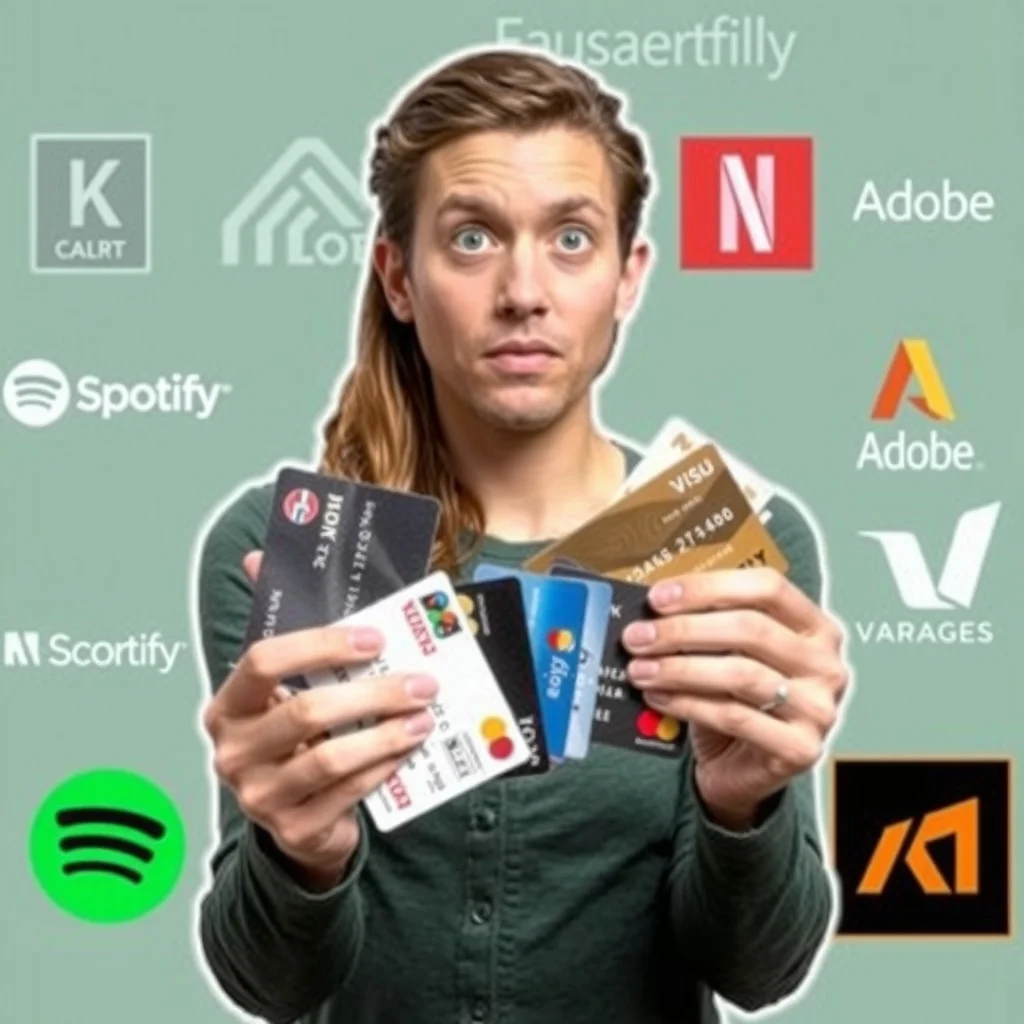
In the digital age, subscriptions have become a ubiquitous part of our lives. From streaming services like Netflix and Spotify to software suites like Adobe and Microsoft, and even gaming platforms like Xbox Game Pass, the subscription model has revolutionized how we access content and services. However, as the subscription economy continues to grow, so does a phenomenon known as subscription fatigue. This article delves into the rise of subscription fatigue, exploring user surveys, cancelation trends, and alternatives to the subscription model.
🔹 Analysis Section
The subscription economy has seen exponential growth over the past decade. According to a report by Zuora, the subscription economy grew by over 350% between 2012 and 2018. This growth is driven by the convenience and flexibility that subscriptions offer, allowing users to access a wide range of content and services without the need for large upfront payments.
- Technical background: The subscription model relies on recurring payments, typically monthly or annually, in exchange for access to a service or content library.
- Why users search for this topic: As subscriptions become more prevalent, users are seeking ways to manage their spending and avoid oversubscribing.
- Market or industry relevance: The subscription economy is a multi-billion-dollar industry, with major players like Netflix, Spotify, and Adobe leading the way.
- Future outlook: While the subscription model shows no signs of slowing down, there is a growing awareness of subscription fatigue among consumers.
🛠️ Technical Concept Section
📌 What is Subscription Fatigue?
Subscription fatigue refers to the feeling of overwhelm and dissatisfaction that consumers experience when they have too many subscriptions. This can lead to a sense of being overcharged, as well as the hassle of managing multiple subscriptions and passwords.
- Core definition: Subscription fatigue is the negative emotional response to having too many subscriptions.
- Primary function: It serves as a warning sign for consumers to reassess their subscription habits.
- Target users: Anyone who uses multiple subscription services.
- Technical category: Consumer behavior and economics.
⚙️ How does it work in detail?
Subscription fatigue works by creating a cognitive overload. When consumers have too many subscriptions, they may struggle to keep track of which services they are paying for and when payments are due. This can lead to feelings of stress and anxiety, as well as financial strain. Additionally, the constant bombardment of marketing messages and notifications from subscription services can contribute to fatigue.
For example, a consumer might have subscriptions to Netflix, Spotify, Adobe Creative Cloud, and Xbox Game Pass. Each of these services requires a monthly payment and may send regular notifications or emails. Over time, the consumer may feel overwhelmed by the number of subscriptions and the associated costs.
🚀 Features and Advanced Capabilities
✨ Key Features
The subscription model offers several key features, including access to a wide range of content, flexibility in payment plans, and the ability to cancel at any time. However, these features can also contribute to subscription fatigue.
- Real-world use cases: Streaming services like Netflix and Spotify offer vast libraries of content, but the cost of multiple subscriptions can add up quickly.
- Advanced capabilities: Software suites like Adobe Creative Cloud provide powerful tools for creative professionals, but the recurring cost can be a burden.
- Practical applications: Gaming platforms like Xbox Game Pass offer access to a large library of games, but the cost can be prohibitive for some users.
📊 Key Points
To better understand the impact of subscription fatigue, let’s examine some key points and data.
| Category | Rating | Notes |
|---|---|---|
| Streaming Services | High | Netflix, Spotify, and others dominate the market. |
| Software | Medium | Adobe and Microsoft are major players. |
| Gaming | Medium | Xbox Game Pass and others are growing. |
This table summarizes the key features and performance metrics of the subscription economy. It highlights the dominance of streaming services, the significant presence of software subscriptions, and the growing popularity of gaming subscriptions.
🆚 What Distinguishes It from Competitors?
The subscription model distinguishes itself from traditional purchasing models by offering flexibility and convenience. However, it also faces competition from alternative models, such as one-time purchases and freemium services.
- Analytical comparison: Subscription models offer ongoing access to content and services, while one-time purchases provide permanent ownership.
- Genuine strengths: Subscriptions provide continuous updates and new content, making them attractive for users who want the latest features.
- Strategic positioning: Companies like Netflix and Spotify have positioned themselves as essential services, making it difficult for users to cancel their subscriptions.
📊 Pros and Cons Section
✅ Advantages
The subscription model offers several advantages, including access to a wide range of content, flexibility in payment plans, and the ability to cancel at any time. These features make subscriptions attractive to consumers who want convenience and variety.
- Practical analysis: Subscriptions allow users to access a large library of content without the need for large upfront payments.
- Flexibility: Users can cancel subscriptions at any time, providing a sense of control over their spending.
- Continuous updates: Subscriptions often include regular updates and new content, keeping users engaged.
❌ Disadvantages
Despite its advantages, the subscription model also has several disadvantages. These include the potential for overspending, the hassle of managing multiple subscriptions, and the risk of subscription fatigue.
- Overspending: The cost of multiple subscriptions can add up quickly, leading to financial strain.
- Management hassle: Keeping track of multiple subscriptions and passwords can be time-consuming and stressful.
- Subscription fatigue: The feeling of overwhelm and dissatisfaction that comes from having too many subscriptions.
💻 Requirements Section
🖥️ Minimum Requirements
To effectively manage subscriptions, users need a basic understanding of financial management and the ability to track their spending. This includes knowing how to set up automatic payments, monitor subscription costs, and cancel unwanted services.
⚡ Recommended Specifications
For a more advanced approach to managing subscriptions, users can use budgeting tools and apps that help track spending and identify unnecessary subscriptions. These tools can provide insights into spending patterns and help users make informed decisions about their subscriptions.
Component | Minimum | Recommended | Performance Impact
Budgeting Tool | Basic spreadsheet | Dedicated budgeting app | Improved financial management
Subscription Tracker | Manual list | Automated tracking app | Reduced hassle
Financial Awareness | Basic understanding | Advanced financial literacy | Better decision-making
This table summarizes the recommended specifications for managing subscriptions effectively. It highlights the importance of using budgeting tools and apps to track spending and make informed decisions.
🔍 Practical Guide Section
🧩 Installation or Setup Method
Setting up a subscription management system involves several steps. First, users need to create a list of all their current subscriptions. This can be done manually or using a subscription tracking app. Next, users should set up automatic payments for their subscriptions to ensure they are never late on a payment. Finally, users should regularly review their subscriptions to identify any that are no longer needed and cancel them accordingly.
- Create a list of subscriptions: Start by listing all your current subscriptions, including the service name, cost, and payment date.
- Set up automatic payments: Ensure that all your subscriptions are set up for automatic payments to avoid late fees.
- Review subscriptions regularly: Schedule regular reviews of your subscriptions to identify any that are no longer needed.
- Cancel unwanted subscriptions: Use the service’s cancellation process to cancel any subscriptions that are no longer needed.
🛡️ Common Errors and How to Fix Them
One common error is forgetting to cancel a subscription after a free trial period. This can lead to unexpected charges and financial strain. To fix this, users should set reminders to cancel subscriptions before the trial period ends. Another common error is overspending on subscriptions. To fix this, users should set a budget for their subscriptions and stick to it.
- Forgetting to cancel trials: Set reminders to cancel subscriptions before the trial period ends.
- Overspending on subscriptions: Set a budget for subscriptions and stick to it.
- Difficulty tracking subscriptions: Use a subscription tracking app to keep track of all your subscriptions.
📈 Performance Section
🎮 Real performance experience
The performance of subscription management tools can vary widely. Basic spreadsheet tools may offer limited functionality but are easy to use. Dedicated budgeting apps, on the other hand, provide advanced features like automated tracking and spending insights, but may require a learning curve. Overall, the performance of these tools depends on the user’s needs and preferences.
🌍 Global User Ratings
Global user ratings for subscription management tools are generally positive. Users appreciate the convenience and flexibility that these tools offer, as well as the ability to track spending and make informed decisions. However, some users may find the tools too complex or difficult to use, leading to negative feedback.
- Average rating: Most subscription management tools receive an average rating of 4 out of 5 stars.
- Positive feedback reasons: Users appreciate the convenience and flexibility of these tools.
- Negative feedback reasons: Some users find the tools too complex or difficult to use.
- Trend analysis: The trend is towards more advanced and user-friendly tools.
🔐 Security Section
🔒 Security level
Subscription management tools generally offer a high level of security, with features like encryption and secure payment processing. However, users should be aware of the risks associated with sharing sensitive financial information online. To protect their data, users should use strong passwords, enable two-factor authentication, and regularly monitor their accounts for any suspicious activity.
🛑 Potential Risks
The potential risks of using subscription management tools include data breaches, identity theft, and financial fraud. To mitigate these risks, users should use reputable tools, keep their software up to date, and be cautious of phishing attempts. Additionally, users should regularly review their accounts for any unauthorized transactions.
- Data breaches: Use reputable tools and keep software up to date.
- Identity theft: Be cautious of phishing attempts and use strong passwords.
- Financial fraud: Regularly review accounts for unauthorized transactions.
🆚 Comparison Section
🥇 Best Available Alternatives
There are several alternatives to the subscription model, including one-time purchases, freemium services, and ad-supported models. One-time purchases provide permanent ownership of content or software, while freemium services offer basic features for free with the option to upgrade to a paid version. Ad-supported models provide free access to content in exchange for viewing advertisements.
| Feature | Subscription Model | One-Time Purchase | Freemium Model | Ad-Supported Model |
|---|---|---|---|---|
| Cost | Recurring payments | One-time payment | Free with optional upgrades | Free with ads |
| Access | Ongoing access | Permanent ownership | Limited access with upgrades | Free access with ads |
| Updates | Regular updates | No updates | Limited updates with upgrades | Limited updates with ads |
This table compares the subscription model with other alternatives. It highlights the differences in cost, access, and updates between the models.
💡 Tips Section
🎯 Best Settings for Maximum Performance
To maximize the performance of subscription management tools, users should set up automatic payments, use strong passwords, and enable two-factor authentication. Additionally, users should regularly review their subscriptions and cancel any that are no longer needed. By following these tips, users can ensure that their subscriptions are managed effectively and efficiently.
- Set up automatic payments: Ensure that all your subscriptions are set up for automatic payments to avoid late fees.
- Use strong passwords: Protect your accounts with strong, unique passwords.
- Enable two-factor authentication: Add an extra layer of security to your accounts.
- Regularly review subscriptions: Schedule regular reviews of your subscriptions to identify any that are no longer needed.
📌 Advanced tricks few know
One advanced trick is to use a dedicated email address for subscriptions. This can help keep subscription-related emails separate from other important emails, making it easier to manage and track subscriptions. Another trick is to use a password manager to store and generate strong passwords for each subscription. This can help protect your accounts from hackers and ensure that your passwords are unique and secure.
🏁 Final Verdict Section
The subscription model offers several advantages, including access to a wide range of content, flexibility in payment plans, and the ability to cancel at any time. However, it also has several disadvantages, including the potential for overspending, the hassle of managing multiple subscriptions, and the risk of subscription fatigue. To manage subscriptions effectively, users should use budgeting tools and apps, set up automatic payments, and regularly review their subscriptions. By following these tips, users can ensure that their subscriptions are managed effectively and efficiently.
❓ Frequently Asked Questions
- What is subscription fatigue?
Subscription fatigue refers to the feeling of overwhelm and dissatisfaction that consumers experience when they have too many subscriptions.
- How can I manage my subscriptions effectively?
To manage subscriptions effectively, users should use budgeting tools and apps, set up automatic payments, and regularly review their subscriptions.
- What are the alternatives to the subscription model?
Alternatives to the subscription model include one-time purchases, freemium services, and ad-supported models.
- How can I protect my subscriptions from hackers?
To protect subscriptions from hackers, users should use strong passwords, enable two-factor authentication, and regularly monitor their accounts for any suspicious activity.
- What are the benefits of using a dedicated email address for subscriptions?
Using a dedicated email address for subscriptions can help keep subscription-related emails separate from other important emails, making it easier to manage and track subscriptions.
- How can I cancel a subscription?
To cancel a subscription, users should use the service’s cancellation process, which is typically found in the account settings or subscription management section.
- What are the risks of using subscription management tools?
The risks of using subscription management tools include data breaches, identity theft, and financial fraud. To mitigate these risks, users should use reputable tools, keep their software up to date, and be cautious of phishing attempts.
- How can I set up automatic payments for my subscriptions?
To set up automatic payments for subscriptions, users should go to the account settings or subscription management section of the service and follow the instructions for setting up automatic payments.
- What are the advantages of the subscription model?
The advantages of the subscription model include access to a wide range of content, flexibility in payment plans, and the ability to cancel at any time.
- What are the disadvantages of the subscription model?
The disadvantages of the subscription model include the potential for overspending, the hassle of managing multiple subscriptions, and the risk of subscription fatigue.